

My story
Who I am, and what I have built
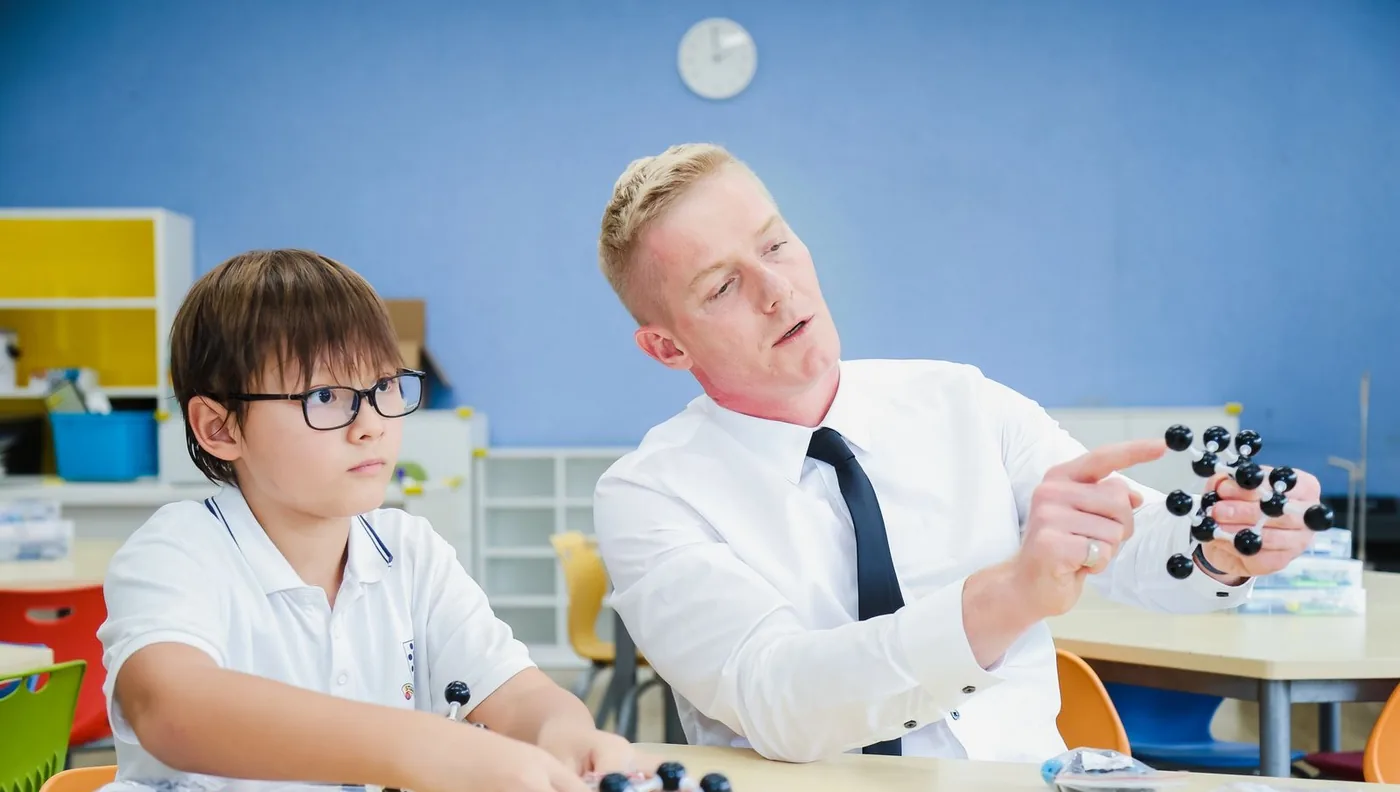
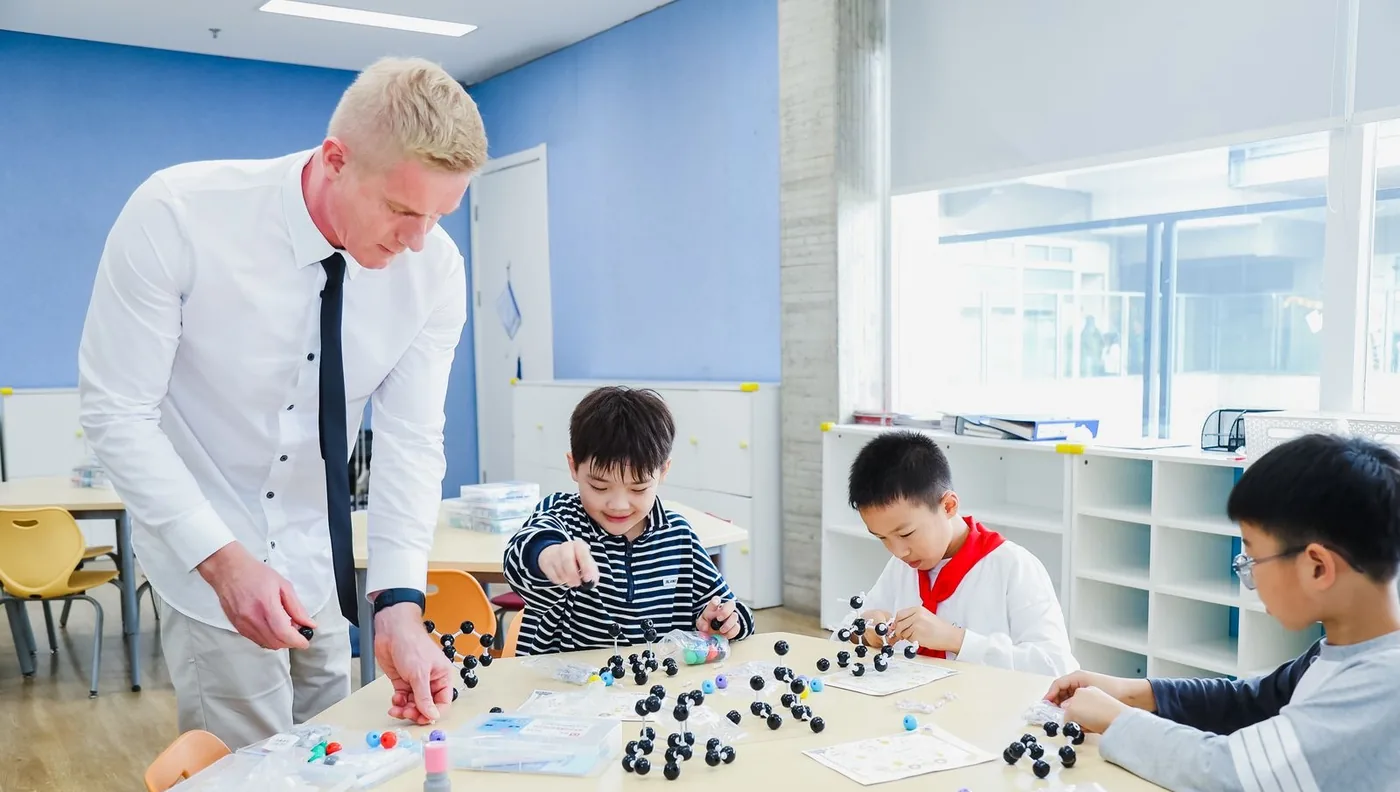
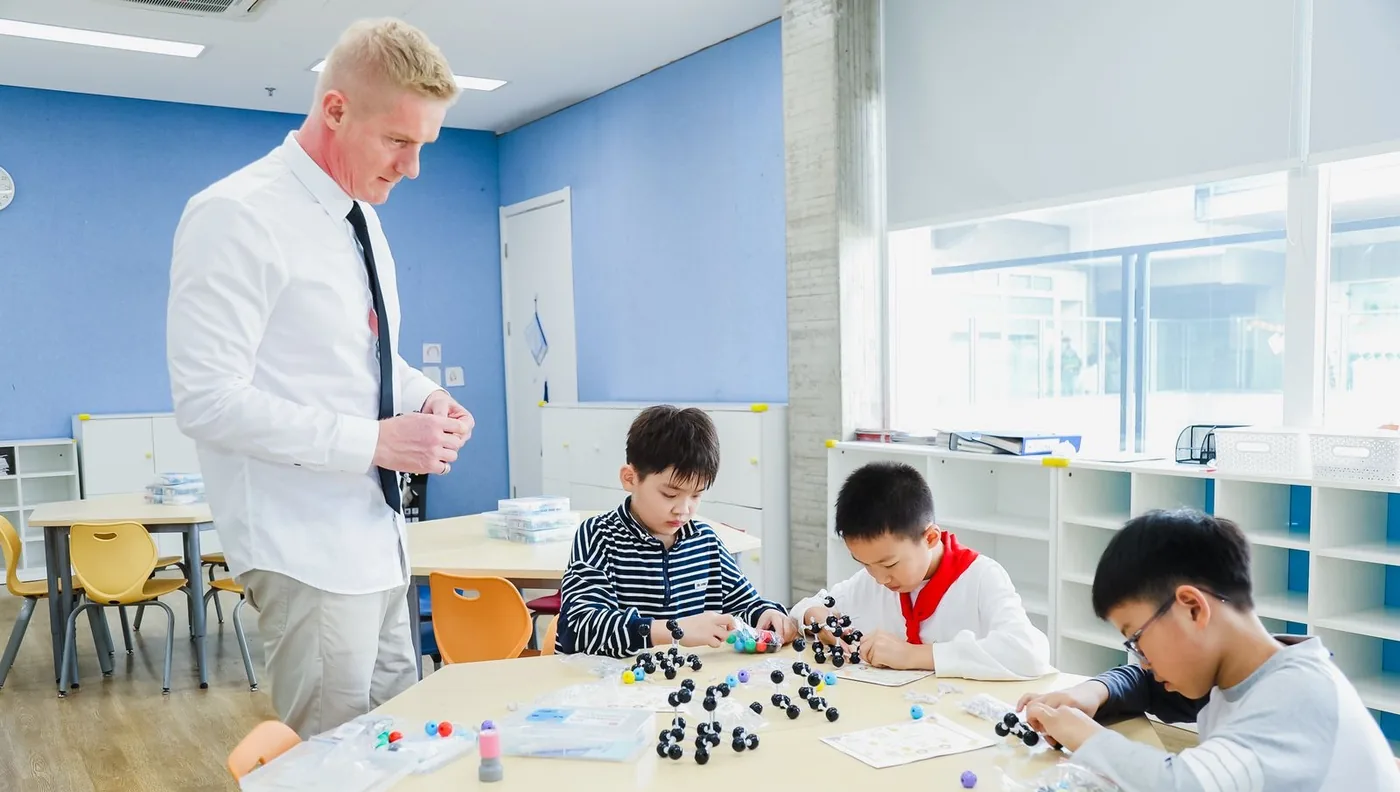
I have spent my career teaching in international schools, most of it with learners in the years just before high school. That age has stayed with me. They are old enough to take on something genuinely difficult, and still young enough to be curious about almost everything.
What I noticed, year after year, was simple. The work learners remembered was never the worksheet. It was the project — the thing they had to investigate, build, and then stand up and explain to somebody else. That work changed how they saw themselves, and it changed what they were willing to attempt next.
I also saw how hard it is for a teacher or a parent to run that kind of work well every week. It takes planning, sequencing, questions in the right order, and something worth building at the end. That is the part I wanted to solve.
Young children should be given broad general knowledge, and nobody should be narrowed down early. But in the second half of primary school, I believe children are ready to go deep into something real and specific — marine biology, weather, city design, space, the ocean floor. The reason this works is that the specific field is taught through a project. A marine biology project still demands close reading, real mathematics, careful writing, handling evidence, making decisions and defending them. The basics are still covered. What the child gains on top of that is a proper look at a field they might never otherwise have met.
Children today see far more of the world than any generation before them. They can find what interests them much earlier than we assume. A handful of real projects a year gives them several honest looks at the world, and several honest pieces of evidence about themselves.
Project-based learning fails when it is loose. A theme, a poster and a busy afternoon are not a project. What makes it work is structure: a real problem, a clear path through it, prompts that arrive in the right order, and a build at the end that the learner owns. So that is what a Learning Lab is. Each one takes a learner from observing and investigating through to designing, building, testing and explaining. Their own words and their own work are kept as they go, so a parent or teacher can see the thinking, not just the result.
Primary Project Labs is a young company and I am careful about what I claim. Every Lab is reviewed and signed off before a child sees it, and any Lab that is not ready stays out of the catalogue until it is. I would rather have fewer Labs that are genuinely good.